The Anatomy of Fear

Horror cinema, in its relentless pursuit of terrifying audiences, has fractured into a multitude of subgenres, each designed to exploit our deepest and most primal fears. From the visceral dread of bodily violation, often manifesting in films that depict graphic violence and torture, to the creeping unease of a disturbed psyche, where the boundaries of sanity blur and reality becomes hauntingly distorted, these categories provide a framework for our nightmares. Moreover, the supernatural elements that haunt us, such as malevolent spirits and dark forces, tap into cultural folklore and common fears of the unknown, creating a sense of dread that lingers long after the credits roll. An examination of the most prominent horror subgenres reveals not only the evolution of the genre but also a fascinating reflection of our own anxieties, showcasing how societal issues—such as technological advancement, existential dread, and the fragility of human relationships—have shaped the narratives that captivate and terrify us, compelling audiences to confront their darkest fears and insecurities.
Psychological Horror: The Monster Within

Perhaps the most insidious of all subgenres, psychological horror eschews graphic violence in favor of a slow-burning assault on the mind. These films derive their terror from the ambiguity of reality, the fragility of the human psyche, and the unsettling notion that the most terrifying monsters are often the ones residing within us. By focusing on themes of madness, paranoia, and existential dread, psychological horror leaves a lasting and disturbing impression long after the credits roll.

Why it’s a top subgenre: Its power lies in its ability to create a deeply personal and immersive experience. By blurring the lines between the real and the imagined, films like The Shining, The Silence of the Lambs, and Black Swan force audiences to question their own perceptions and confront uncomfortable truths about the darkness that can lurk beneath the surface of a seemingly ordinary life. This subgenre’s appeal is timeless because it preys on universal fears of losing control, the unknown nature of our own minds, and the potential for evil that exists in everyone.
Slasher: The Inevitability of a Violent End
Emerging from the gritty thrillers of the 1970s and solidifying its tropes in the 1980s, the slasher subgenre is a more straightforward and adrenaline-fueled horror experience.

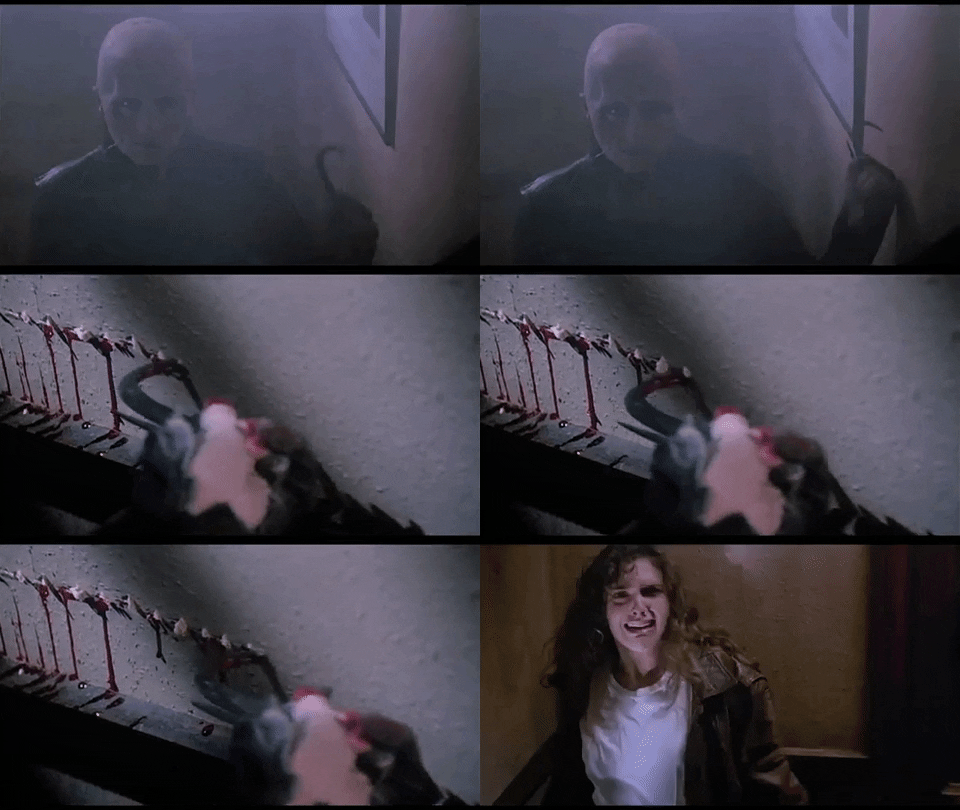
Characterized by a relentless and often masked killer stalking and murdering a group of protagonists, slashers tap into our fear of the unstoppable and the random nature of violence. Iconic antagonists like Leatherface (The Texas Chainsaw Massacre) Candyman (Candyman), Michael Myers (Halloween), Freddy Krueger (A Nightmare on Elm Street), and Jason Voorhees (Friday the 13th) have become cultural touchstones, embodying the relentless pursuit of death.

Why it’s a top subgenre: Slashers provide a visceral and cathartic release of tension. The formula, while often predictable, offers a sense of morbid comfort and excitement. The “final girl” trope, a virtuous and resourceful female protagonist who confronts the killer, provides a sense of hope and empowerment amidst the carnage. The enduring popularity of this subgenre can be attributed to its ability to deliver straightforward scares, iconic villains, and a thrilling, if terrifying, roller-coaster ride of suspense and gore.
Supernatural Horror: When the Laws of Nature Break Down

Rooted in folklore, mythology, and religious terror, supernatural horror confronts us with the terrifying possibility that we are not alone and that unseen forces can and will do us harm. Ghosts, demons, curses, and possessions are the staples of this subgenre, which plays on our fear of the unknown and the things that defy rational explanation. Films like The Exorcist, The Conjuring, and Hereditary derive their scares from the violation of the natural order and the powerlessness of humanity in the face of ancient and malevolent entities.
Why it’s a top subgenre: Supernatural horror taps into deeply ingrained cultural and religious beliefs about the afterlife and the existence of good and evil. The fear of demonic possession or a haunting is a primal one, touching on anxieties about the sanctity of the home and the soul. By presenting threats that cannot be reasoned with or physically overpowered, these films create a sense of profound vulnerability and dread.
Found Footage: The Terrifying Illusion of Reality
A relatively modern subgenre that gained immense popularity with The Blair Witch Project, found footage presents its narrative through the lens of recovered video recordings. This technique aims to create a sense of authenticity and immediacy, blurring the line between fiction and reality and immersing the audience in the terrifying events as they unfold. The shaky camera work, naturalistic performances, and often ambiguous endings contribute to a feeling of unease and voyeuristic horror.
Why it’s a top subgenre: The power of found footage lies in its ability to subvert the audience’s awareness that they are watching a constructed narrative. By mimicking the aesthetics of home videos, documentaries, or news reports, these films create a chilling sense of realism. This approach can be highly effective in generating suspense and terror, as the audience feels like they are witnessing genuine, unfiltered horror. The rise of personal recording devices and our increasingly documented lives have only enhanced the resonance of this subgenre.
These subgenres, while distinct in their methods, all share a common goal: to unearth our deepest fears and drag them into the light. Their enduring popularity is a testament to the power of horror cinema to not only entertain but also to provide a space for us to confront the darkness that both surrounds and resides within us.




Leave a Reply