Not all drug movies are tragedies. Some find humor in the absurdity of the altered state, creating a sub-genre of “stoner” and “cult” films that not only entertain but also provoke thought and challenge societal norms. These movies often explore themes of friendship, escapism, and the quest for identity, all while delivering laughter through ridiculous situations and quirky characters. As audiences resonate with the comic portrayal of drug use, these films manage to offer a light-hearted take on a topic that is often shrouded in seriousness, making them memorable entries in cinematic history with enduring appeal.

Gridlock’d (1997): Bureaucratic Satire
Starring Tim Roth and Tupac Shakur, this film turns the tragedy of addiction into a dark comedy of errors. Two heroin addicts decide to get clean after a friend overdoses, but they are thwarted by a social services system that is indifferent, complicated, and broken. It satirizes the catch-22s of the American healthcare system: you can’t get into rehab without insurance, you can’t get insurance without a job, and you can’t keep a job while on heroin.

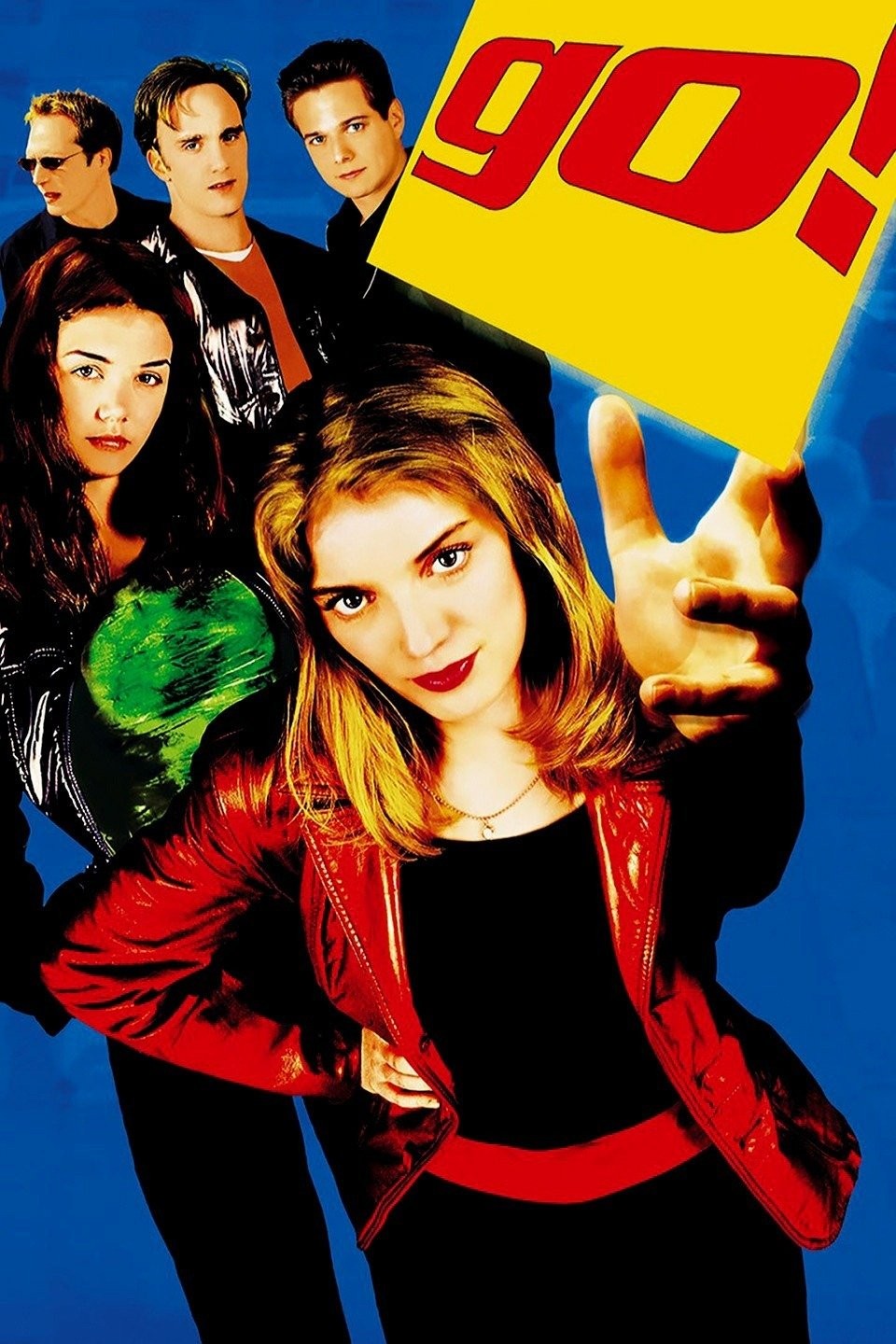
Go (1999): The Christmas Rave
Often compared to Pulp Fiction, Go captures the late-90s rave culture with infectious energy, painting a vibrant picture of an era defined by pulsating beats and colorful nights. It interweaves three stories revolving around a botched ecstasy deal, exploring the chaotic consequences that unfold as characters navigate the highs and lows of their choices. Each storyline introduces unique perspectives, showcasing a diverse cast of characters swept up in the thrill of the nightlife. It is one of the few films to capture the specific “vibe” of the rave era—the fashion, which includes eclectic clothing and an array of accessories; the music, characterized by thumping basslines and euphoric melodies; and the naive optimism of the “weekend warrior” drug user, who approaches life with a sense of carefree abandon. The film not only reflects the cultural zeitgeist of the time but also serves as a poignant reminder of the fleeting nature of youthful escapism.

Human Traffic (1999): The Weekend Cycle
This British cult classic deconstructs the clubbing weekend. It is less about addiction and more about the ritual of “getting on it.” It breaks the fourth wall to discuss the “chemical generation” philosophy. It is notable for its honest depiction of the “comedown”—the depressive, paranoid Sunday that inevitably follows the Saturday night high.

The Big Lebowski (1998): The Stoner Noir
While not a “drug movie” in the tragic sense, the Coen Brothers’ classic features “The Dude,” whose constant marijuana consumption defines his passive, pacifist approach to the chaos around him. This unconventional choice invites viewers to reconsider the archetype of the “stoner,” as it reframes him not as a loser or a mere casualty of societal expectations, but as a Zen detective navigating a corrupt world with an uncommon clarity. The Dude’s laid-back demeanor becomes a counterpoint to the frenzied antics of those around him, illustrating how a calm mind can provide insight amidst turmoil. His journey—filled with absurd encounters and colorful characters—serves as a surreal commentary on the complexities of life, relationships, and the pursuit of happiness in a society rife with conflict and confusion. Through this lens, the film elevates the conversation about substance use, encouraging a reflective approach to life rather than one defined by immediate judgments.




Leave a Reply