Hey movie lovers!
These films zoom out to examine the geopolitical and economic structures that sustain the drug trade. They are often multi-narrative epics that reveal the interconnectedness of the global economy.

Traffic (2000): The Macro-Analysis
Steven Soderbergh’s Traffic is the definitive film about the War on Drugs, brilliantly encapsulating the complexities of this multifaceted issue. Adapting the British miniseries Traffik, Soderbergh intricately weaves three distinct, yet interconnected storylines that reveal the profound futility of enforcement in combating the drug trade. Each narrative thread highlights the impact of addiction on individuals and families, the moral dilemmas faced by law enforcement, and the socioeconomic factors that perpetuate the cycle of drug trafficking. Through powerful performances and a non-linear structure, the film invites viewers to reflect on the stark realities of addiction and the systemic failures of policies designed to control it, making a poignant statement about the urgent need for a reevaluation of our approach to drug-related issues.
The Color-Coded Narrative
To help the audience navigate the complex geography, Soderbergh assigns a distinct visual look to each thread:
- Mexico (The Border): Shot with tobacco-colored filters and high-grain stock, representing the heat, corruption, and moral ambiguity of the police work led by Benicio del Toro (who won an Oscar for the role).
- Washington D.C. / Ohio (The Policy): Shot in cold, steel blues, representing the detached, sterile world of the Drug Czar (Michael Douglas) and the freezing reality of his daughter’s addiction.
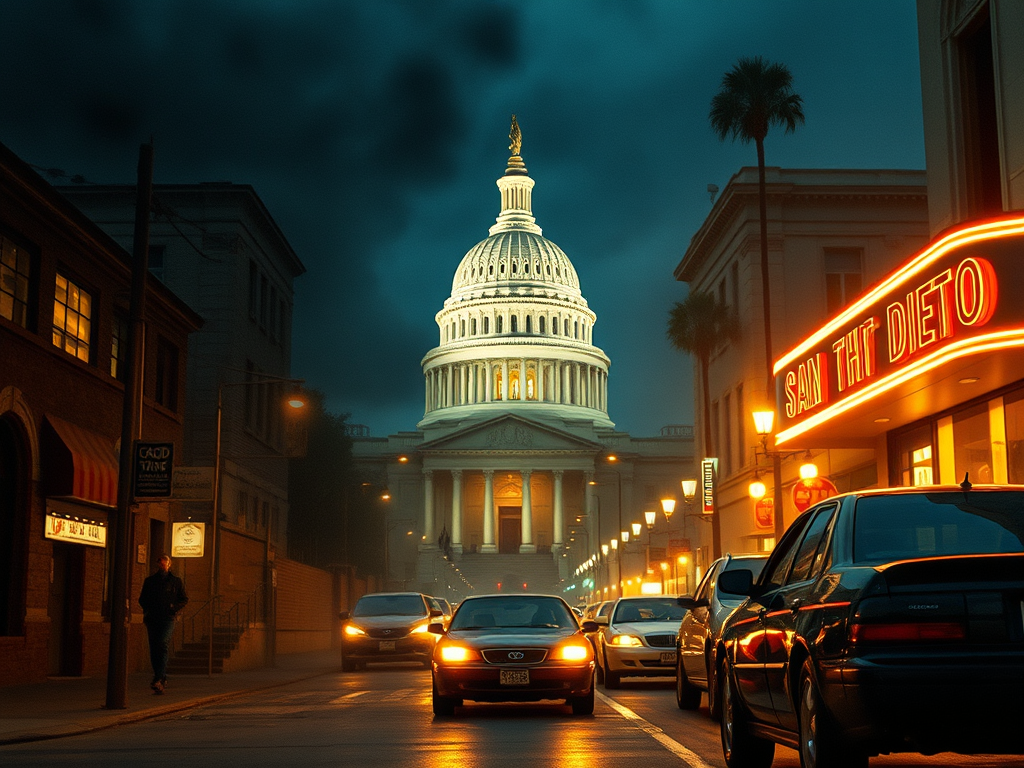
- San Diego (The Business): Shot in warm, glossy, saturated colors, depicting the luxurious lifestyle of the cartel wife (Catherine Zeta-Jones).
Systemic Failure
The film’s conclusion is bleak: as long as the demand exists (shown through the Judge’s daughter), the supply will find a way (shown through the Mexican police). It portrays the drug trade as a hydra; cut off one head, and two more appear.
Availability: Streaming on Plex (2025 data).

City of God (2002): The Favela Epic
Fernando Meirelles’ City of God (Cidade de Deus) is a kinetic, violent masterpiece set in the slums of Rio de Janeiro. Through a richly woven narrative, it chronicles the rise of Li’l Zé from a petty thief to a ruthless drug lord, illustrating the harsh realities of life in one of the world’s most notorious favelas. As the story unfolds, we are introduced to a vibrant cast of characters, each representing various aspects of life in the community, from gang violence to the pursuit of dreams. The film expertly combines stunning cinematography with a pulsating soundtrack, immersing the audience in a world where survival often comes at the price of moral compromise. Ultimately, City of God serves as both a gripping crime saga and a poignant commentary on the socio-economic issues plaguing Brazil, making it an unforgettable cinematic experience.
The Child Soldiers of the Trade
Unlike American gangster films that often focus on adults, City of God shows how the drug trade weaponizes children. The “Runts”—a gang of armed toddlers—is one of the most disturbing images in cinema. The film’s editing is fast and rhythmic, influenced by samba and music videos, creating a pulse that matches the life-or-death stakes of the favela. It is a story of survival where the drug trade is the only viable economy.
Availability: Streamable on Apple TV, Amazon Video.

Maria Full of Grace (2004): The Mule’s Perspective
This Colombian-American drama strips away the glamour of the kingpins to focus on the “mule.” Maria, a pregnant teenager, agrees to swallow pellets of cocaine to transport them to New York, driven by desperation and the hope of providing a better life for her unborn child. The film is a thriller, but the tension comes not from gunfights, which are often glorified in similar narratives, but rather from the constant, physiological threat of the pellets bursting in her stomach, an impending doom that looms over her every move. As Maria navigates the obscure and dangerous world of drug trafficking, she encounters a range of characters, each reflecting the harsh realities of the industry. The film not only highlights her perilous journey but also humanizes the lowest rung of the trafficking ladder, shedding light on the struggles and sacrifices made by individuals like her who often remain invisible in society’s larger narrative about crime and morality.

Sicario (2015): The Militarization of enforcement
Denis Villeneuve’s film depicts the drug war not as a law enforcement issue but as a military conflict that stretches far beyond the realm of traditional policing. The scene at the border crossing, filmed with suffocating tension by the masterful Roger Deakins, captures the harrowing reality of how the drug trade has transformed civilian zones into highly volatile battlefields, where the lines between right and wrong blur amidst chaos. It suggests that to defeat the formidable cartels, the US government must become as ruthless and lawless as the very criminals they relentlessly hunt, engaging in strategies that question the ethical boundaries of justice and challenge the societal norms that govern peace. Through compelling visuals and evocative storytelling, the film forces the audience to confront the staggering implications of a war that impacts countless lives, provoking thought on the moral dilemmas that arise when law enforcement is supplanted by military tactics.




Leave a Reply