
Throughout history, the human psyche has been fascinated by the “Other”—the dark, the hidden, and the transgressive. This fascination often manifests in our enduring cultural obsession with the demonic, a theme that bridges ancient ritual, hidden grimoires, and modern psychological theory.
From Ancient Wisdom to Secret Spellbooks

The roots of demonology are often traced back to a surprising figure: the biblical King Solomon. Tradition links him to the origins of the Ars Goetia, a practice focused on the evocation of seventy-two distinct spirits. These spirits were not merely formless evils but individual entities with unique characteristics, domains of influence, and specific seals used to summon them.
Historical lore even suggests that magical secrets were preserved through the Great Flood. Some accounts claim that Ham, the son of Noah, inscribed demonic secrets on metal plates and stone tablets before the waters rose, returning to retrieve them afterward. Others believed these arts were hidden within the Ark itself.
The Grimoire: A Repository of the Forbidden

Grimoires—books of magic—served as more than just lists of spells; they were tools for navigating a world teeming with spiritual forces. These texts provided:
- Protection and Healing: Arming people against evil spirits and curing illnesses.
- Knowledge and Power: Offering methods to divine destiny, fulfill desires, and even discover hidden treasures.
- Intricate Rituals: Detailing the specific tools and symbols required to compel non-corporeal entities into service.
In the 17th century, the Lemegeton, or The Lesser Key of Solomon, standardized this system of evocation. Far from being a system of worship, it was a practical framework for the magician to assert control over the unknown.
A Jungian Lens: The Devil in the Psyche

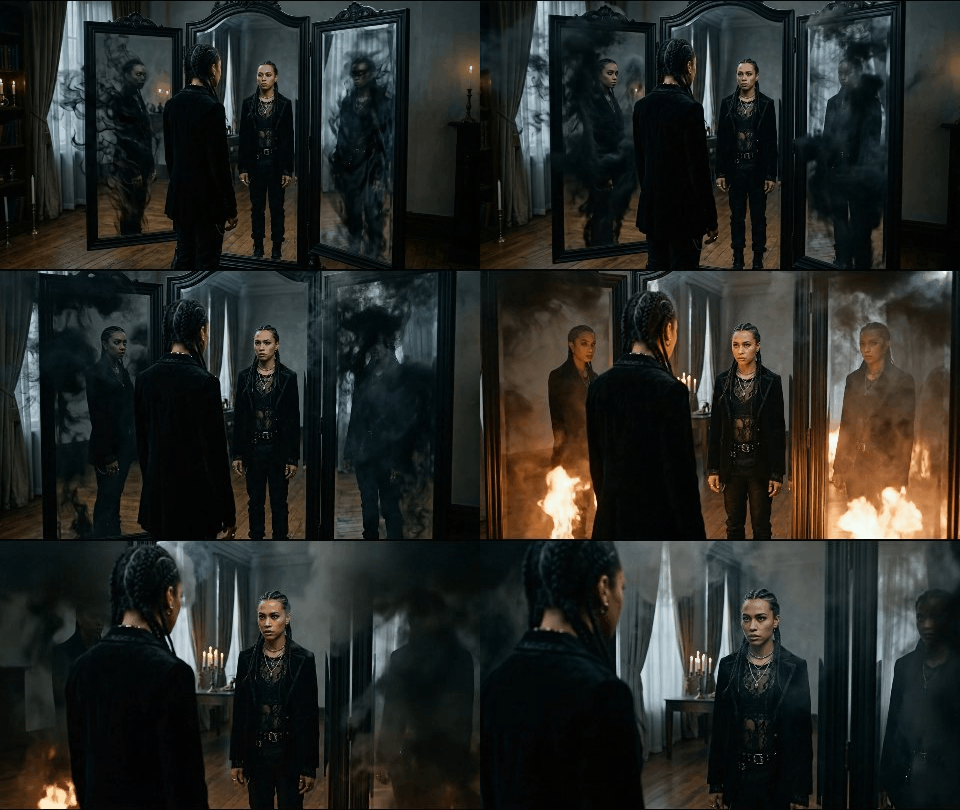
The enduring appeal of the demonic isn’t just found in old books; it resides within us. From a Jungian perspective, what many think of as external Satanic influence is often a manifestation of the Shadow—the hidden, “Other” part of our own psyche.
Jungian theory suggests that:
- The Devil acts as a symbol and archetype of change.
- Engaging with the Shadow is a critical part of individuation, the psychological process of becoming a whole self.
- Modern culture continues to use these archetypes to process collective trauma and navigate social power structures.
Why We Still Look Into the Dark

From the ritualistic instructions of the Ars Goetia to the archetypal analysis of the Shadow, our obsession with the demonic reflects a fundamental human need to understand and control the unseen forces that shape our lives. Whether we view these entities as literal spirits to be commanded or as psychological shadows to be integrated, they remain a compelling mirror of the human experience.
For those interested in exploring these “shadows” further, rare grimoires like the Lesser Key of Solomon can still be studied today as historical markers of our quest for secret wisdom.




Leave a Reply