The AI Revolution in Graphics: A New Factory for Art?
All art is for sale on canvas or as prints. Canvases are 16”x16” $925, 24”x24” $1350 for serious inquiries nicole@nicoleexplainsitall.blog


Artificial intelligence is rapidly transforming numerous industries, and graphic design is no exception. AI tools are emerging as powerful allies for designers, offering a range of benefits that can streamline workflows, enhance creativity, and even open up new artistic possibilities. Let’s delve into some of the key advantages of incorporating AI into your graphic design process.
Efficiency and Speed: AI algorithms can automate repetitive and time-consuming tasks, freeing up designers to focus on more strategic and creative aspects of their work. Tasks like background removal, image upscaling, and even generating initial design concepts can be accomplished much faster with AI assistance. This increased efficiency allows for quicker project turnaround times and the ability to explore more design iterations within a given timeframe.
Enhanced Creativity and Inspiration: While AI can automate certain tasks, it can also serve as a powerful tool for sparking creativity. AI-powered tools can analyze vast datasets of images and design styles to generate novel ideas and unexpected visual combinations. This can help designers break out of creative ruts and discover new aesthetic directions they might not have considered otherwise. Think of it as a digital brainstorming partner that can offer a fresh perspective.
Accessibility for Non-Designers: AI is democratizing design by making sophisticated tools more accessible to individuals without extensive design training. User-friendly AI platforms allow anyone to create visually appealing graphics for various purposes, from social media posts to marketing materials. While this doesn’t replace the expertise of professional designers, it empowers individuals and small businesses to create a strong visual presence.
Cost-Effectiveness: By automating tasks and increasing efficiency, AI can help reduce the overall cost of graphic design projects. This is particularly beneficial for businesses with limited budgets or those who require a high volume of visual content.
Personalization and Adaptation: AI algorithms can analyze user data and preferences to generate personalized graphics and design experiences. This opens up exciting possibilities for targeted advertising, customized content, and dynamic visual communication that adapts to individual needs.
The Warhol Analogy: AI as the New Factory
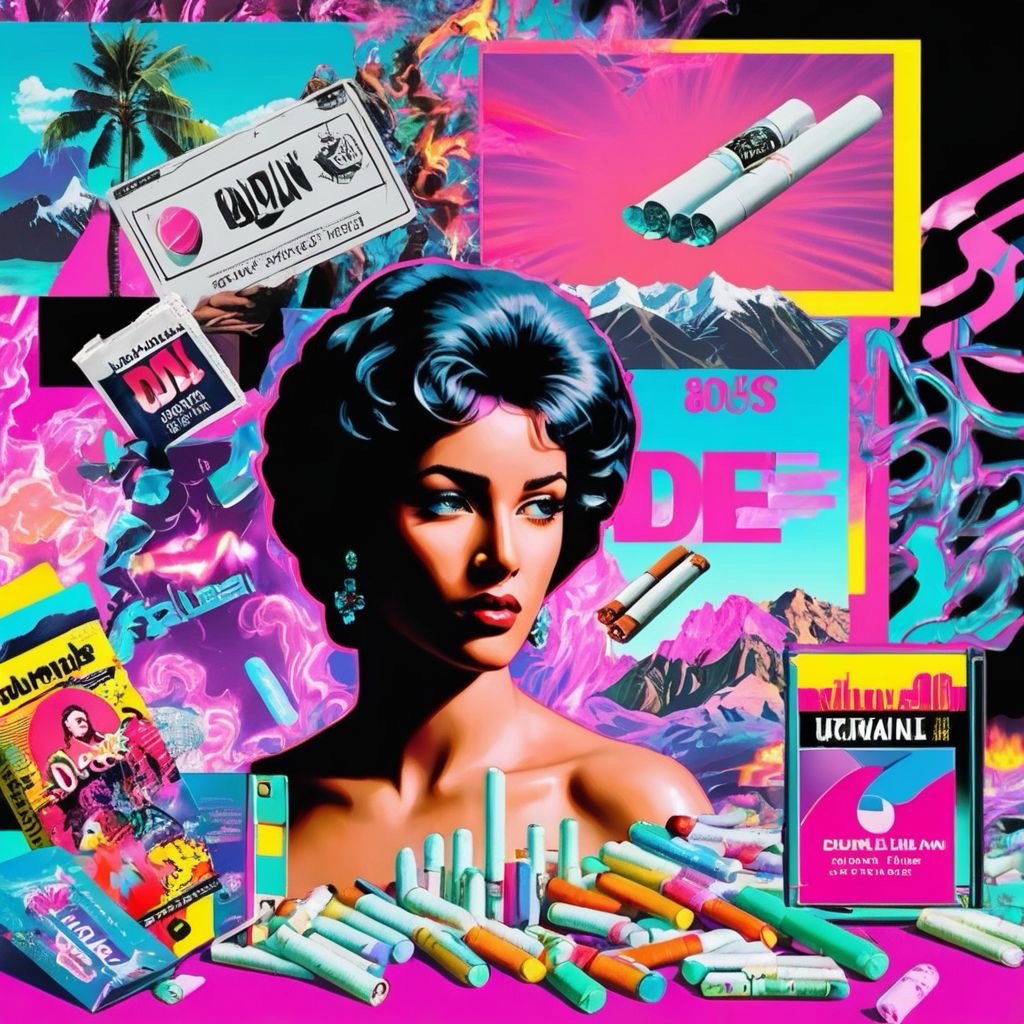
The integration of AI into artwork creation draws an interesting parallel to Andy Warhol’s use of “The Factory.” Warhol’s studio was a collaborative space where he employed numerous assistants to help produce his iconic silkscreen prints and other works. While Warhol was the conceptual driving force, the physical execution was often carried out by others.
Similarly, AI tools can be seen as a new kind of “factory” for artistic creation. Artists can leverage AI’s capabilities to generate initial elements, explore variations, and automate tedious tasks, allowing them to focus on the conceptualization, refinement, and overall artistic vision.
Key Similarities:
- Democratization of Production: Just as Warhol’s Factory made art production more accessible and less reliant on a single artist’s hand, AI tools are democratizing graphic design and art creation, allowing more people to participate in the visual landscape.
- Focus on Concept over Craft: Warhol’s emphasis often lay in the idea and the repetition of imagery, rather than the meticulous handcraftsmanship. AI similarly shifts some of the focus away from manual execution towards conceptualization and curatorial choices.
- Collaboration and Delegation: Warhol collaborated with his assistants, delegating tasks to achieve his artistic goals. Artists using AI are also engaging in a form of collaboration, delegating certain aspects of the creative process to the AI algorithms.
- Mass Production and Repetition: Warhol’s work often explored themes of mass production and repetition. AI’s ability to quickly generate variations and iterate on designs echoes this concept.
Important Distinction:
It’s crucial to note that while there are similarities, the relationship between an artist and AI is different from Warhol’s relationship with his assistants. AI is a tool, a sophisticated algorithm, rather than a human collaborator with their own creative input. The artistic intent and direction ultimately still come from the human creator.
The Future of Graphics with AI
AI is not meant to replace human designers and artists entirely. Instead, it should be viewed as a powerful tool that can augment their abilities, streamline their workflows, and open up new avenues for creative expression. The future of graphics will likely involve a collaborative partnership between human ingenuity and artificial intelligence, leading to innovative and visually compelling results. Just as Warhol’s Factory redefined the art world, AI is poised to reshape the landscape of graphic design and artistic creation in profound ways.




Leave a Reply