Is Weed really that good for you?
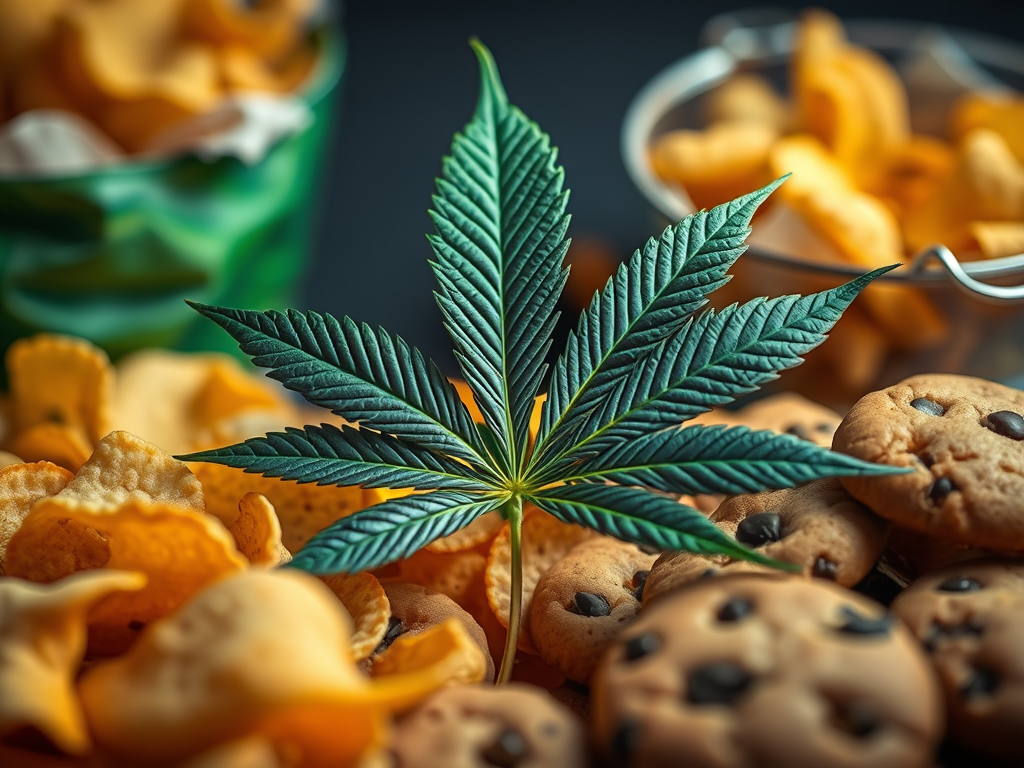
We’ve all heard of “the munchies.” It’s that hilarious, uncontrollable itch to attack a snack cabinet like it’s a piñata. This happens after some good ol’ marijuana. This is especially true with those sugary, fatty goodies. But hold onto your snacks, folks! Science throws us a curveball: long-term cannabis aficionados are, on average, leaner than their non-stoned counterparts. It’s like the weed fairy sprinkled a little magic on their metabolism while they were busy munching away!

My latest research paper is cheekily titled “The Cannabis-Metabolism Nexus.” It is an in-depth analysis of appetite, sugar intake, and body weight regulation. It is like a detective story. It unravels mysteries rather than solving crimes. Instead of solving crimes, we’re bafflingly untangling how cannabis convinces our stomachs to throw a party. Meanwhile, our scales look on in horror. Picture this: we dive into the head-scratching world where munchies rule. Broccoli gets left in the dust. We are trying to figure out just how this green herb is messing with our appetites. It influences snack choices and waistlines like a sly magician pulling rabbits from hats!
The Science Behind the “Munchies”
First, let’s confirm what many already know: yes, smoking or consuming cannabis absolutely increases your sugar and calorie intake in the short term.
The culprit is THC, the main psychoactive compound in cannabis. It essentially hijacks your brain’s hunger control center, particularly the hypothalamus. It tricks these neurons into thinking you’re starving, even when you’re not. On top of that, THC ramps up your pleasure centers, making food taste even better, and even enhances your sense of smell, making those pizza aromas utterly irresistible. It also boosts ghrelin, your body’s “hunger hormone.” This all combines to create a powerful, hedonically-driven desire for calorie-dense, hyper-palatable foods – think chips, cookies, and sugary drinks.
For those who enjoy edibles, the impact on sugar and calorie intake is even more direct. Not only do edibles themselves contain sugar and calories, but the delayed onset and prolonged effects mean a much longer window for those intense cravings, leading to a potentially greater caloric surplus.

The Weight Paradox: Leaner Users?
So, if cannabis makes us eat more high-sugar, high-calorie foods, why aren’t long-term users, as a group, heavier? This is the core of the paradox our paper explores. Large-scale epidemiological studies consistently show that chronic cannabis users tend to have a lower Body Mass Index (BMI). They gain less weight over time compared to non-users.
How can this be? Our research points to a powerful, long-term physiological adaptation: CB1 receptor downregulation.
Imagine your body’s endocannabinoid system (ECS) as a finely tuned instrument for regulating everything from mood to appetite. THC acts like an overzealous musician constantly strumming the strings (CB1 receptors). In response to this chronic overstimulation, your body starts to turn down the volume by reducing the number and sensitivity of these receptors. This “downregulation” means that, over time, the ECS becomes less active.
A less active ECS is associated with a higher metabolic rate and reduced fat storage. So, while each individual cannabis session might trigger the munchies and a temporary caloric surplus, the long-term, chronic downregulation of your CB1 receptors appears to create a metabolic environment that effectively burns off those extra calories and resists weight gain. It’s a fascinating tug-of-war between acute indulgence and chronic metabolic adjustment.
More Than Just a Number: The Nuances of Metabolic Health

It’s important to note that a lower BMI doesn’t automatically mean better health. Our paper highlights crucial nuances:
- THC vs. CBD: The specific chemical profile of the cannabis matters. THC is the appetite stimulant, while CBD shows promising (though early) evidence of having beneficial metabolic effects, potentially even converting “bad” white fat into calorie-burning “brown” fat.
- Visceral Fat Concerns: Some research suggests that while chronic users might be leaner overall, they could have a higher proportion of visceral fat – the dangerous belly fat linked to heart disease and diabetes – even at a normal weight. More research is needed here.
- Confounding Factors: Lifestyle choices like tobacco and alcohol use, diet, and exercise habits are notoriously difficult to control for in studies, and they significantly influence metabolic outcomes.
The Bottom Line

So, does smoking marijuana add to your sugar intake and make you gain weight?
Yes, it acutely increases sugar and calorie intake. No, surprisingly, it does not typically lead to long-term weight gain for chronic users, and often correlates with a lower BMI.
Our research paper reveals that the metabolic impact of cannabis is far more intricate than simply “calories in, calories out.” It’s a dynamic dance between the immediate effects of the plant and the body’s remarkable ability to adapt over time. While the “munchies” are real, the body’s long-term response to chronic cannabis use appears to create a metabolic environment that counters the caloric surplus, leading to the intriguing “cannabis-obesity paradox.”
This field is still evolving, and future research will undoubtedly shed more light on the subtle ways cannabis interacts with our metabolism, body composition, and overall health.




Leave a Reply