From Secret Orders to #WitchTok: Community in the Digital Age

The way esoteric communities are built has undergone a radical transformation. Many historical traditions often revolved around secret societies and formal initiations. However, many of today’s practitioners are “solitary”. They seek wisdom and knowledge through personal exploration rather than through guided rituals. This shift shows a broader societal movement toward individualism. Practitioners feel empowered to forge their own paths. They develop unique understandings of spiritual and mystical concepts.
The advent of the internet has also played a significant role. It allows individuals to connect with like-minded seekers from around the globe. They share insights and experiences in online forums and social media groups. As a result, traditional hierarchies have diminished. Barriers to entry have also reduced. This change creates a more inclusive environment for those interested in esoteric practices, regardless of their background or geographic location.

But solitary doesn’t mean isolated. The community has simply migrated online, finding new ways to connect, share experiences, and recreate the sense of belonging that once thrived in physical spaces. Through social media platforms, forums, and collaborative projects, people engage with one another, forming vibrant virtual connections that span across continents. This shift has opened up opportunities for diverse voices to be heard and for individuals to gather around shared interests and passions, ultimately fostering a sense of unity that transcends geographical boundaries.
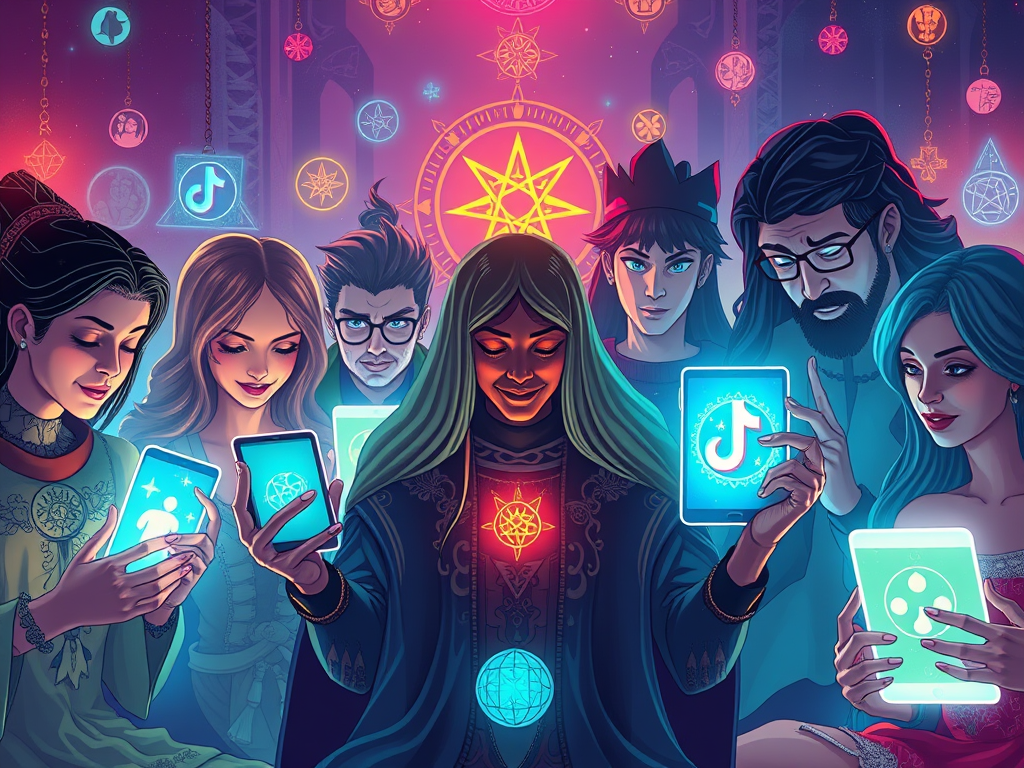
Digital platforms are now the primary meeting grounds, from academic forums to user-driven spaces like Reddit. One of the most vibrant examples is the #WitchTok subculture on TikTok. Scholars call this phenomenon “viral occulture.” It is a fluid online space. Different traditions—like Paganism, New Age spirituality, and self-help—all blend together here. It’s also a highly material and consumer-driven space. Users share tips on magical items. They promote products, linking spirituality directly with commerce.

What’s truly fascinating is that social media isn’t just a neutral platform; it’s an active force shaping the practice itself. The algorithms that deliver targeted content create a powerful feedback loop that reinforces and normalizes “magical thinking”. The digital world becomes a kind of “magic circle,” where the lines between curated reality and an enchanted world begin to blur. This structure perfectly mirrors the individualistic, pick-and-choose nature of modern esotericism.

The once-hidden teachings of mysticism are now celebrated and discussed openly. Influencers curate content that resonates with spiritual seekers and the curious. This blend of ancient wisdom with modern perspectives creates a unique cultural phenomenon. It challenges traditional norms and invites deeper exploration into the realms of the unknown and the arcane.
In our final post, we’ll look at how esotericism has officially hit the mainstream through pop culture. A new generation of influencers is also contributing. We will explore its fascinating journey from obscure belief systems and practices. These beliefs and practices have reached widespread acceptance and integration into everyday life. This transformation has been propelled by a variety of media. Films, music, and social media platforms play a role in this shift.
Check out my spiritual digital apps Grimoire Oracle, Esoteric Herb Grimoire many more coming soon.




Leave a Reply