Tune Your Brain: The Surprising Science of Binaural Beats
Ever feel like your brain is stuck on the wrong channel? You’re trying to focus, but it’s tuned to “anxiety.” You want to sleep, but it’s blasting “non-stop thoughts.” What if you could gently nudge your mind into the right state just by listening to a sound?
Welcome to the fascinating world of binaural beats—a simple yet powerful form of sound wave therapy that promises to do just that.
What Exactly Are Binaural Beats?

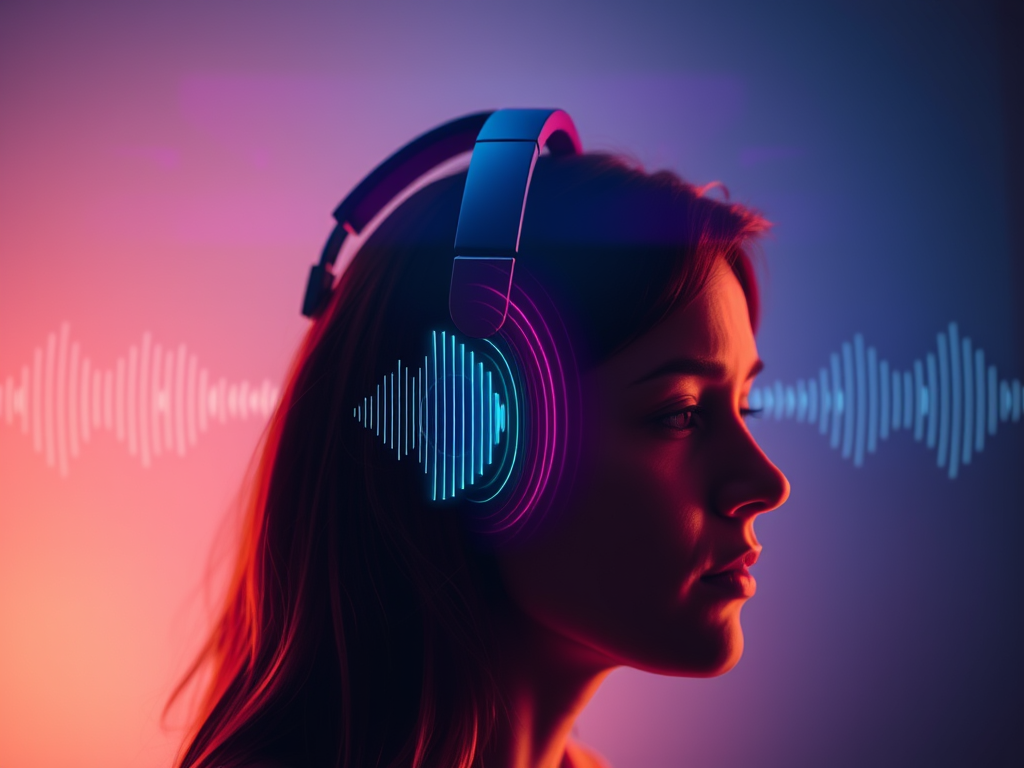
Imagine putting on a pair of stereo headphones. In your left ear, you hear a tone at 200Hz. In your right ear, you hear a slightly different tone, say 210Hz. Your brain, in its attempt to make sense of these two different frequencies, perceives a third, phantom beat at the difference between the two—in this case, 10Hz.
That pulsing rhythm you hear isn’t actually in the recording; it’s being created inside your head. This auditory illusion is a binaural beat.
How Do They Work? The Brain’s Copycat Trick
So, why does this phantom beat matter? It all comes down to a phenomenon called the “frequency-following response.” Your brain is a symphony of electrical activity, producing waves at different frequencies depending on your mental state. When exposed to the consistent rhythm of a binaural beat, your brainwaves naturally begin to synchronize with that external frequency.
In short, you can gently guide your brain into a desired state—like relaxation, focus, or deep sleep—simply by listening. This process happens deep within the brainstem, in a region called the superior olivary nucleus, which is the first part of the brain to process sound from both ears.
Your Brain on Different Frequencies: A Quick Guide
Binaural beats work by targeting specific brainwave frequencies. Here’s a quick look at the main “channels” you can tune into:

- DELTA (0.5−4Hz): The Deep Sleep Zone. These are the slowest, highest-amplitude brainwaves. Associated with deep, dreamless sleep, unconscious awareness, and advanced healing. Delta is your brain’s “rejuvenation” mode.
- THETA (4−8Hz): The Creative Dream State. This is the state of REM sleep, deep meditation, and high creativity. Theta is the gateway to your subconscious, where you experience vivid imagery, flashes of insight, and heightened intuition. It’s the source of those “ah-ha!” moments.
- ALPHA (8−12Hz): The Relaxed Focus Flow. This is the brainwave of quiet wakefulness. When you’re calm, reflective, or in a state of light meditation, you’re in alpha. It’s the bridge between your conscious and subconscious mind, promoting relaxation and reducing stress.
- BETA (12−38Hz): The Active & Alert Mind. This is your normal waking consciousness. When you’re focused on a task, engaged in conversation, or actively problem-solving, your brain is humming along in the beta state.
More Than Just Relaxation: The Health and Wellness Perks
By encouraging your brain to enter these different states, binaural beats can unlock a surprising range of benefits. People use them to:
- Bust Stress & Anxiety: Tuning into the alpha state helps calm the mind, lower cortisol levels, and bring about a feeling of peace.
- Supercharge Creativity & Learning: The theta state is linked to a 300% boost in learning ability and enhanced problem-solving. It helps reset the brain’s chemical balance, eliminating mental fatigue.
- Deepen Sleep & Recovery: Listening to delta waves can guide you into deep, restorative sleep, which triggers the release of anti-aging hormones like melatonin and DHEA.
- Achieve a “Whole Brain” State: Binaural beats encourage the left and right hemispheres of your brain to work together in harmony. This brain synchronization is a hallmark of deep meditation and peak performance states.
- Access a Natural High: Slower brainwaves (alpha, theta, and delta) have been shown to increase the production of feel-good chemicals like serotonin and endorphins, leading to improved mood and a sense of well-being.

Ready to Try It? Here’s What You Need
Getting started is incredibly simple. All you need are three things:
- Stereo Headphones: This is non-negotiable. The effect depends on delivering a different frequency to each ear, which is impossible with speakers.
- A Binaural Beat Track: You don’t need fancy software. You can find thousands of high-quality tracks for free on platforms like YouTube and Spotify. Just search for “binaural beats for” followed by your goal (e.g., “focus,” “deep sleep,” “meditation”).
- A Quiet Place: Find a comfortable spot where you won’t be disturbed for 15-30 minutes to let the frequencies work their magic.
For an even more immersive experience, many people enjoy layering their binaural beats with calming nature sounds or white noise. Websites like SimplyNoise can provide a soothing background canvas.
Your Brain, Your Playlist
While the science is fascinating, the true power of binaural beats lies in personal experience. They offer a direct, accessible way to explore your own consciousness and take an active role in managing your mental state. Think of it as creating a custom playlist for your brain—one that can help you relax, create, focus, and rejuvenate on demand. So pop on some headphones, press play, and discover what happens when you decide to tune your own mind.




Leave a Reply