Step into the Metaverse – Virtual and Augmented Reality in Fashion
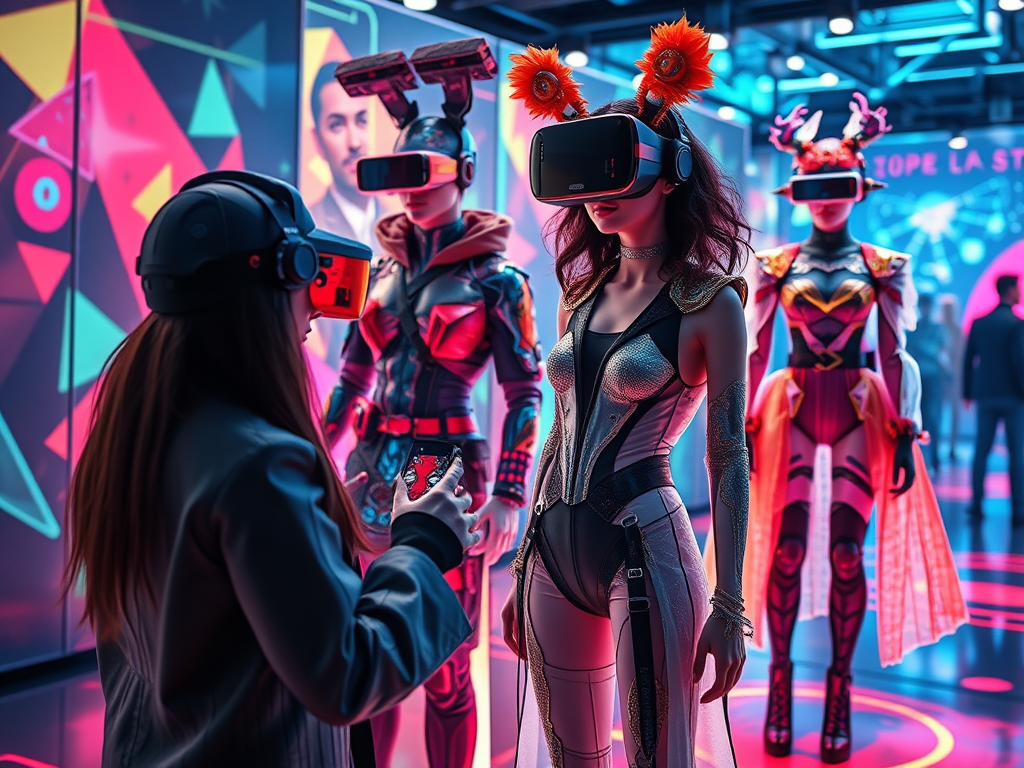
Remember when dressing up meant putting on actual clothes? Well, the definition is expanding! Virtual (VR) and Augmented Reality (AR) are no longer just for gaming; they’re revolutionizing how we interact with fashion, both online and in the real world.

1. Try Before You Buy (Virtually): Augmented Reality for Try-On
One of the biggest headaches of online shopping? The dreaded “will it fit?” and “will it even look good on me?” question. AR is here to solve that.
- Your Phone, Your Fitting Room: With AR try-on apps, your smartphone becomes a magic mirror. Using your camera, these apps overlay digital clothing onto your live image, allowing you to see how a dress, a pair of sneakers, or even a new lipstick shade looks on you – all from the comfort of your couch.
- Real-World Benefits: This isn’t just a gimmick. For consumers, it means greater confidence in purchases and less time wasted on returns. For brands, it translates to fewer returned items (a major logistical and environmental cost), higher conversion rates, and a more engaging shopping experience. Imagine trying on dozens of sunglasses styles in seconds, without ever stepping into a store!
- The Future of Showcasing: Beyond individual items, AR can even allow you to virtually place furniture or accessories in your home, or see how an entire outfit looks in different lighting or environments.

2. Fashion’s Digital Frontier: The Rise of Digital-Only Clothing and the Metaverse
Welcome to the ultimate blank canvas: the digital world, where the laws of physics (and often, budget) don’t apply.
- Dressing Your Avatar: As virtual worlds like Decentraland, The Sandbox, and even gaming platforms like Roblox grow, so does the desire for self-expression within them. Digital fashion allows users to dress their avatars in unique, often fantastical, garments that would be impossible or impractical in real life. Brands are collaborating with digital designers to create exclusive collections for these virtual realms.
- NFT Fashion: Many digital garments are sold as Non-Fungible Tokens (NFTs), making them unique, verifiable, and tradable digital assets. Owning an NFT dress for your avatar is a statement, a collectible, and a new form of digital luxury.
- “Wearable” on Social Media: Some digital fashion houses create garments that aren’t meant for avatars, but for your real-world photos. You submit a photo of yourself, and their designers digitally “fit” the clothing onto you. This allows for stunning, high-fashion social media content without the environmental impact or cost of physical samples.
- A Sustainable Playground: Digital fashion inherently has a lower environmental footprint. It requires no physical materials, production, or shipping, offering a sustainable way for designers to experiment and for consumers to express themselves creatively without contributing to textile waste.

The Blurring Lines:
VR and AR are blurring the lines between our physical and digital identities. They’re making fashion more accessible, experimental, and, crucially, more sustainable. Whether you’re trying on a virtual jacket in your living room or decking out your avatar for a metaverse party, these technologies are changing what it means to be fashionable.
Next up, we’ll explore how technology is literally woven into the fabric of our clothes with Wearable Technology and Smart Fabrics!




Leave a Reply