Clothing That Thinks – Wearable Tech and Smart Fabrics

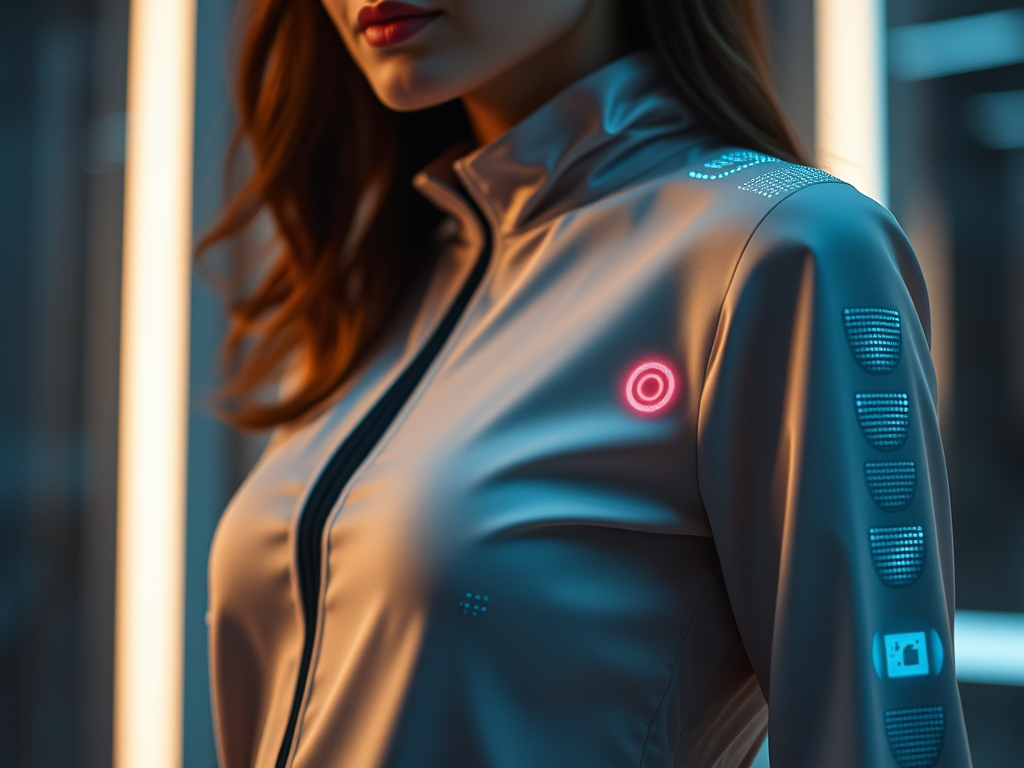
Forget bulky gadgets that make you look like you’re carrying around a mini-fridge. The next frontier in tech fashion is about seamlessly integrating intelligence directly into the garments we wear, blending style and function as easily as we blend our smoothies—minus the kale, of course. From monitoring your health to changing colors and patterns with just a flick of your finger (because who doesn’t want to go from “office chic” to “beach party” in seconds?), cutting-edge smart fabrics and wearable technology are turning our clothes into interactive, functional extensions of ourselves.
Picture this: a shirt that keeps tabs on your heart rate, temperature, and even stress levels, giving you a friendly nudge when it’s time to chill out—imagine it yelling, “Hey, breathe!” Or pants that magically adjust their insulation according to the weather, keeping you cozy and comfy while you strut your stuff. This innovation isn’t just about convenience; it’s about empowering you to maintain your wellness while looking fabulous, all while redefining our relationship with clothing in a world that’s evolving faster than a cat meme going viral!
1. More Than Just Fabric: The Rise of Smart Textiles
Smart textiles are materials that can sense and react to environmental conditions or user input. They’re woven with tiny sensors, conductive threads, and even micro-LEDs, transforming passive clothing into active, responsive garments.
- Health and Wellness Warriors: Imagine a yoga shirt that corrects your posture in real-time, or a baby onesie that monitors vital signs and alerts parents to any issues. Smart fabrics are being developed to track heart rate, body temperature, breathing patterns, and even hydration levels, making health monitoring as simple as getting dressed.
- Performance Powerhouses: In sports, smart fabrics are already making an impact. From compression garments that improve circulation to jerseys that regulate body temperature and track athletic performance, these textiles provide athletes with valuable data to optimize their training and recovery.
- Beyond the Gym: The potential extends far beyond sports. Imagine workwear that monitors hazardous environments, or fashionable garments that light up for safety at night. The possibilities are truly boundless.

2. Integrating Intelligence: Wearable Technology
While smart fabrics are wearable tech, the term also encompasses gadgets seamlessly integrated into clothing or accessories, often to enhance functionality or aesthetics.
- Subtle Sensors and Embedded Electronics: The key trend here is miniaturization and aesthetic integration. The goal is for the technology to be virtually invisible, blending into the garment’s design rather than standing out as an add-on. Think tiny flexible circuits, almost imperceptible sensors, and even energy harvesting elements woven into the material.
Examples in Action:
- Heated Jackets: Jackets with integrated heating elements, controlled by a smartphone app, are perfect for cold climates.
- Light-Up Accessories: From shoes with integrated LEDs to bags with responsive lighting, these items combine fashion with enhanced visibility and a playful aesthetic.
- Connected Jewelry: Smart rings and necklaces can track fitness, make payments, or even send emergency alerts, all while looking like stylish accessories.
3. The Promise of Seamless Living:
The ultimate vision for wearable tech and smart fabrics is to create a seamless interaction between our bodies, our clothing, and the digital world around us. Your jacket might tell you the weather, your shoes might track your steps and give you directions, and your watch might pay for your coffee, all without you having to pull out a phone or wallet.

Challenges and the Future:
While exciting, there are challenges to overcome, including durability (how do you wash electronics?), battery life, and cost. The integration of delicate electronic components into fabrics invites innovative solutions that promise to make these garments resilient and easy to maintain, allowing users to confidently wash their smart clothing without worry. The evolving technology aims to enhance battery life, ensuring that users can enjoy the remarkable features of these garments without the inconvenience of frequent recharging. As the market for high-tech apparel grows, cost barriers are gradually being addressed, paving the way for consumers to embrace these stylish and functional innovations with enthusiasm.
Rapid advancements in materials science and miniaturization are ushering in an era where fully integrated, truly smart clothing is not just a dream, but an exciting reality. Researchers are paving the way for robust materials that can handle the demands of everyday life while preserving their cutting-edge capabilities, and companies are committed to optimizing production processes to make these futuristic garments more accessible and affordable for everyone.
From clothes that monitor us to clothes that look good virtually, our next post will explore how technology is making fashion more ethical and environmentally conscious.




Leave a Reply